Iron Atlas
The Second World War, 1936 to 1945
Grand strategy on a printed map. Ninety governments, seven you can play, one day at a time.
Single player. Plays offline. On iPhone, iPad, Mac and Apple Vision Pro.

Seven powers on 1 January 1936
Take any one of them. The other 83 governments are played by the game.
-
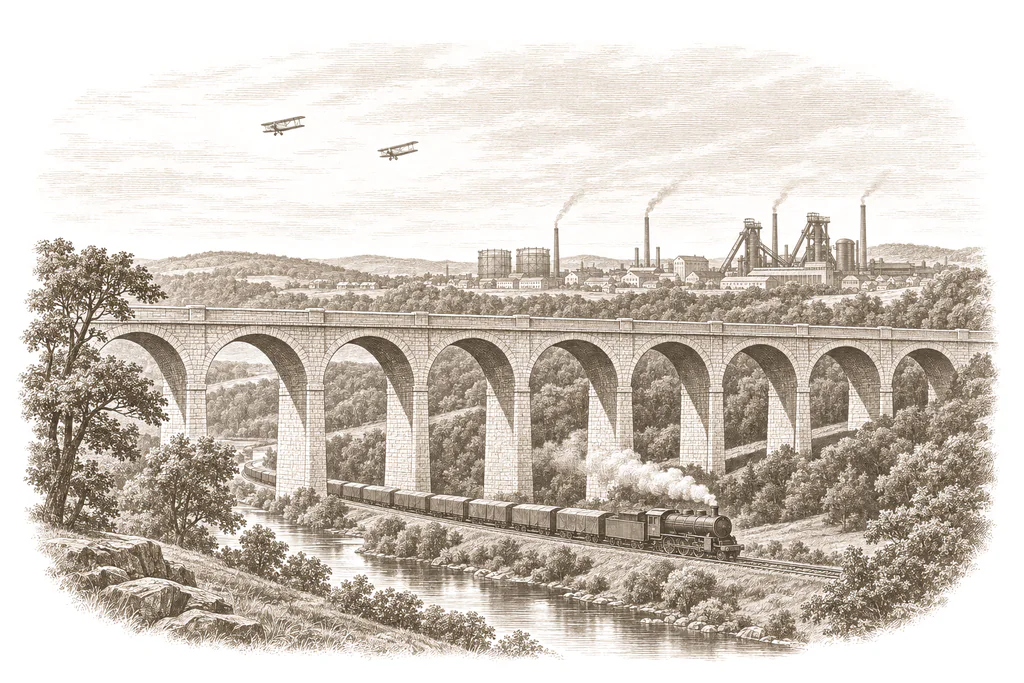
Germany
Industrial strength at peace. Prepare your army for the years ahead.
-
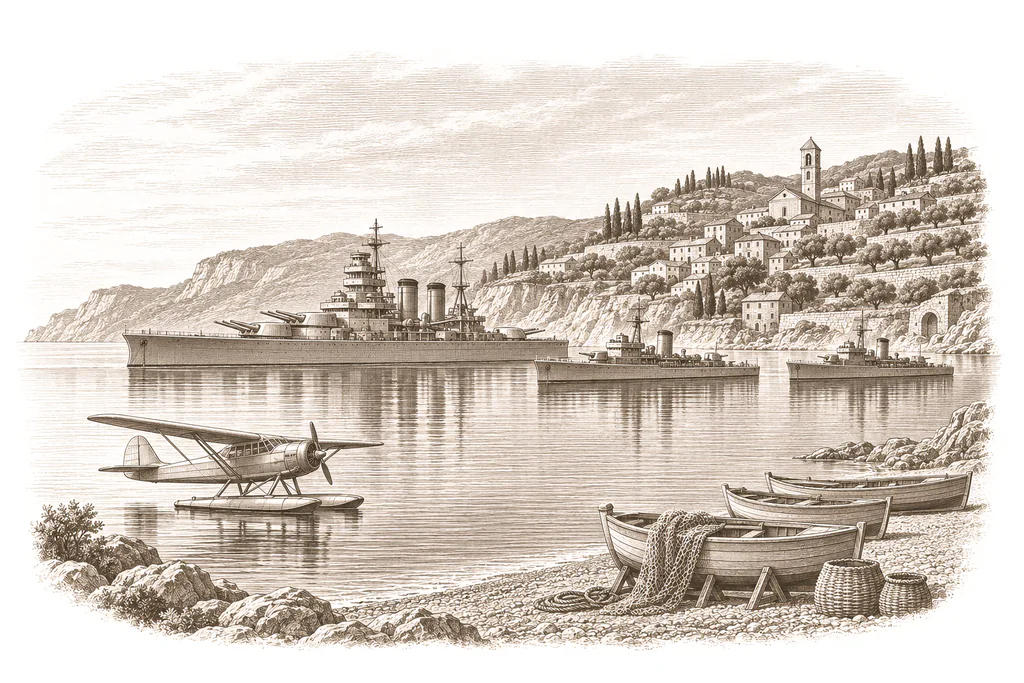
Italy
Already fighting Ethiopia. Direct your forces with limited industry.
-
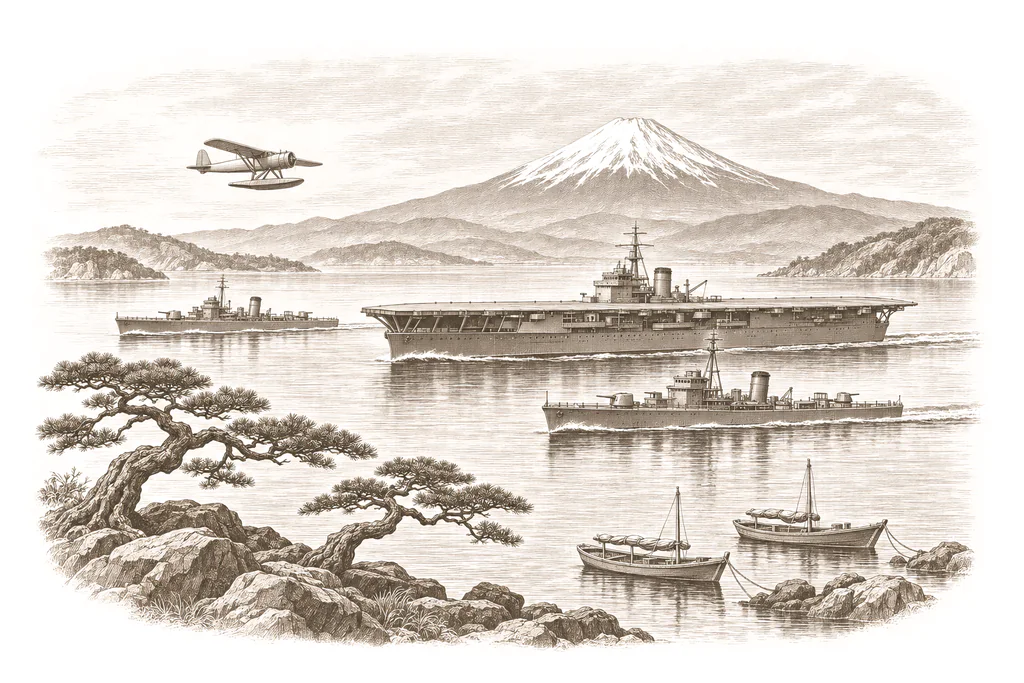
Japan
Fleets and mainland garrisons. Balance your army and navy.
-
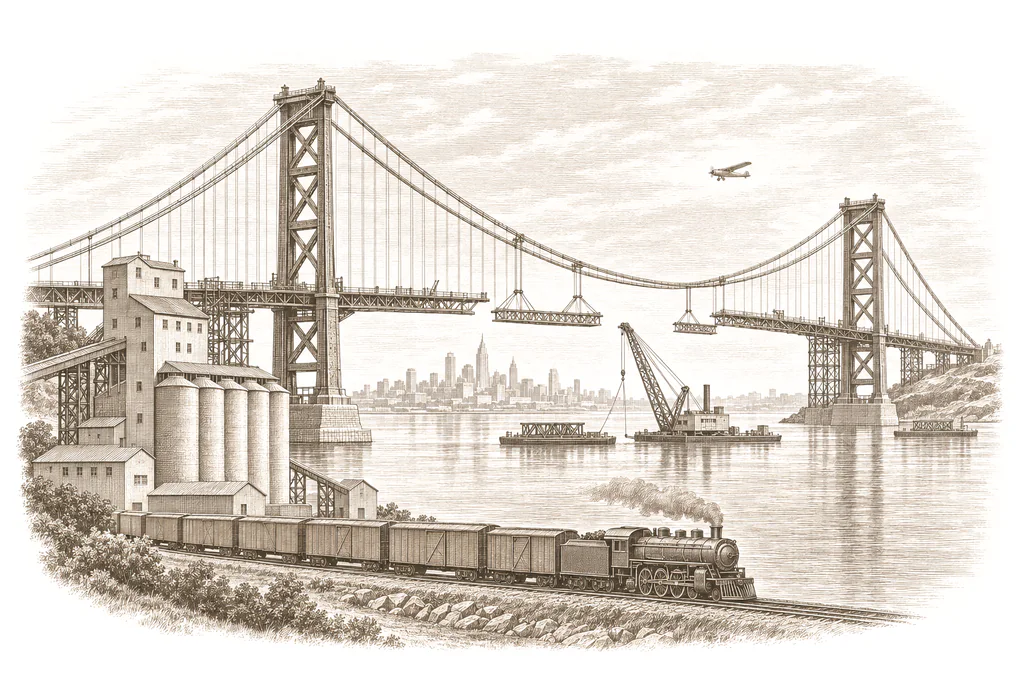
United States
The largest industrial base, at peace. Build your forces.
-
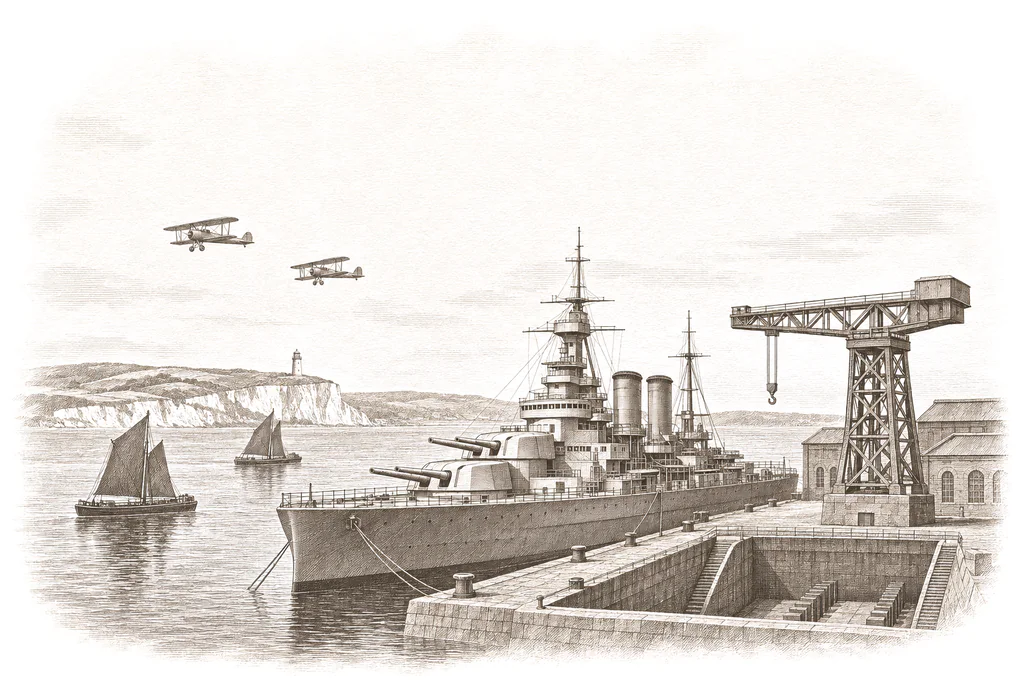
United Kingdom
Forces stationed worldwide. Coordinate your fleets and overseas armies.
-
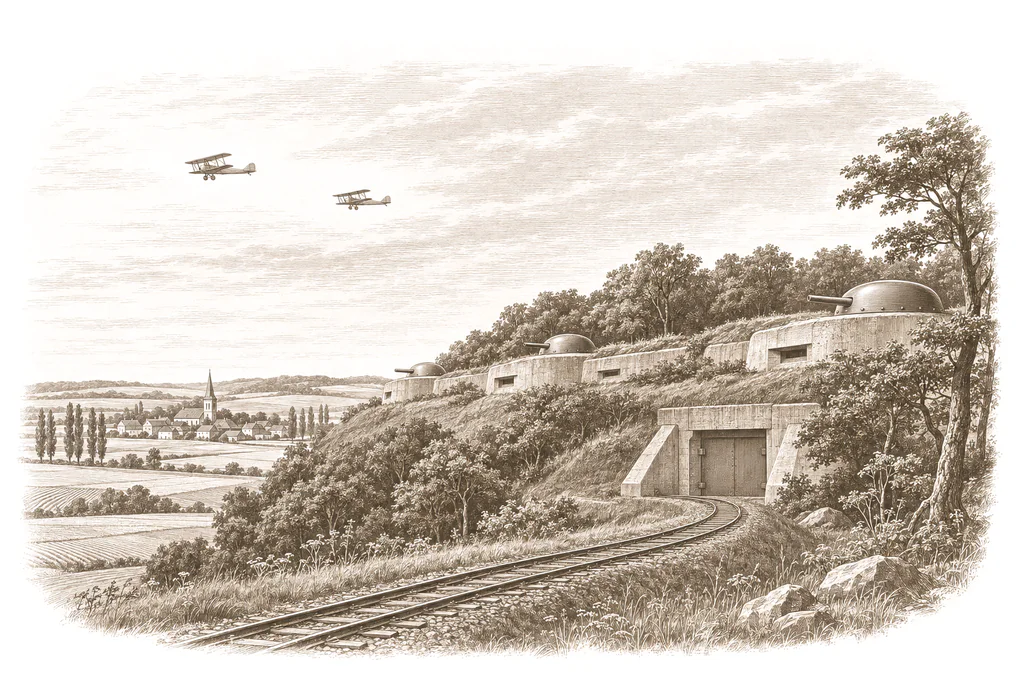
France
A large manpower reserve. Prepare your armies with limited industry.
-
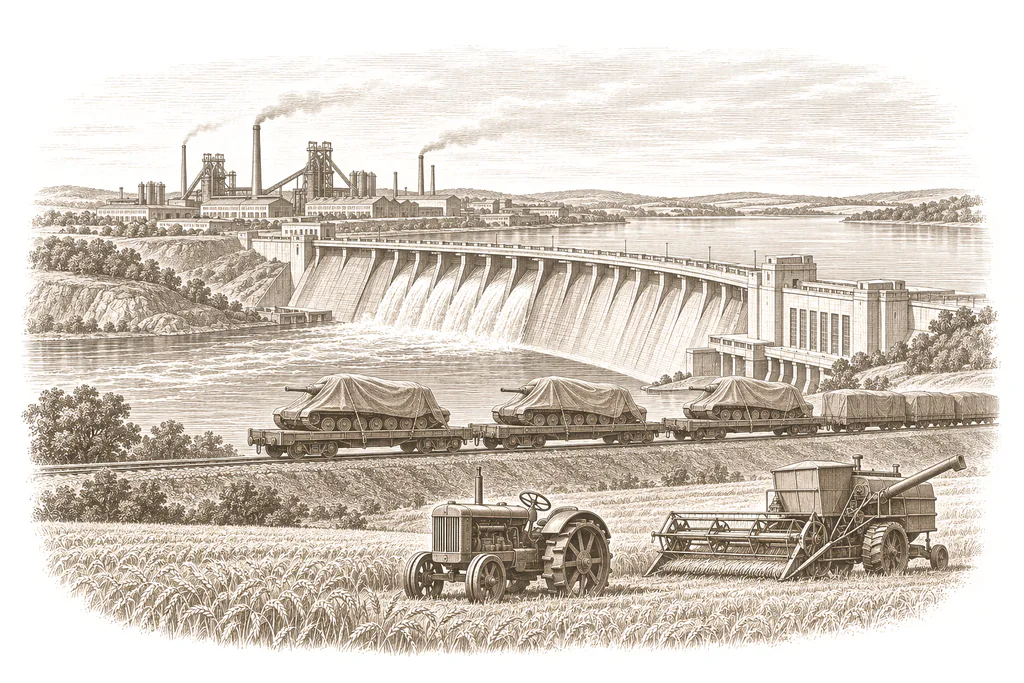
Soviet Union
Large industry and manpower reserves. Prepare your many army formations.


Read the board, give orders, run the clock
Counters stand where the armies stand, each pile with a chit counting its divisions. Stop the clock whenever you like: every order can be given on a paused board.
- 1Nations in flat printed colour, provinces ruled in fine ink.
- 2A pile of counters and its chit: the divisions in that province.
- 3The Running Foot: industry, manpower, dissent and the desks.
- 4The date, the speed and the clock.
Five desks, one war

- Production
- Queue divisions, ships and aircraft. Every line shows what it costs a day and when it is done.
- Research
- Programmes by branch and year, worked by named teams. The desk says the day each one lands.
- Diplomacy
- Relations, pacts, aid and war, nation by nation, and who is bound to join before you attack.
- Cabinet
- Fill each ministry from the people who held office. A change of minister raises dissent.
- Reports
- Every battle opens to its report: “Each side starts at 100%. Every modifier is listed, and they add up exactly.”

History, with the paperwork attached
Every minister, research team and technology carries its citations and a confidence grade. Where a figure could not be sourced, the entry says so instead of inventing one.
The campaign opens with 72 cabinet posts filled across the seven powers, from a roster of 451 ministers, and 31 named commanders in dated posts. Behind them 223 research teams work through 327 technologies, and 1,992 formations stand on the board.
The cabinet desk names the cost in dissent before you appoint anyone.
Events arrive on their day. On 7 March 1936 the German army asks to send garrisons back into the Rhine districts: release the orders and France and Britain think less of you, withhold them and the treaty stands. The event cites the State Department’s own papers for March 1936.


One war is playable. More are being drawn.

The Second World War, 1936 to 1945
In the beta
Opens on 1 January 1936 and is scored on 31 December 1945, though play can go on. Each power works to its own national aims, 35 across the seven.
Later starts
Planned
The same war opened in 1939, 1941 and 1944, with the board set as it stood.
Black Saturday
In development
27 October 1962, the most dangerous day of the Cuban Missile Crisis, hour by hour. Winning the nuclear exchange counts as losing.
Seven Days
In development
A Warsaw Pact offensive through the Fulda Gap in six-hour turns. Both sides lose by escalating.
Where it stands
Iron Atlas is in development, in a TestFlight beta. There is no price and no release date yet.
Follow developmentbind.gamesIn the current build
- The 1936 campaign with seven playable powers
- Production, research, diplomacy, cabinet and reports
- Battle reports with every modifier
- Saves on the device and in iCloud
- Game Center
- English, German and Turkish
- No connection, no account and no ads needed
Not yet
- The later starts and the Cold War scenarios
- More languages